
Heka vs Juno
Juno and Heka both give employees flexibility and choice over their benefits. But that flexibility means different things in practice: where one is a discounts platform with a wellbeing layer, and the other is built around health from the ground up.
Heka's flexibility comes with expertly-curated partners, AI-powered smart personalisation, and reporting that shows what your wellbeing spend is actually achieving.


.png)

.png)
.png)
.png)
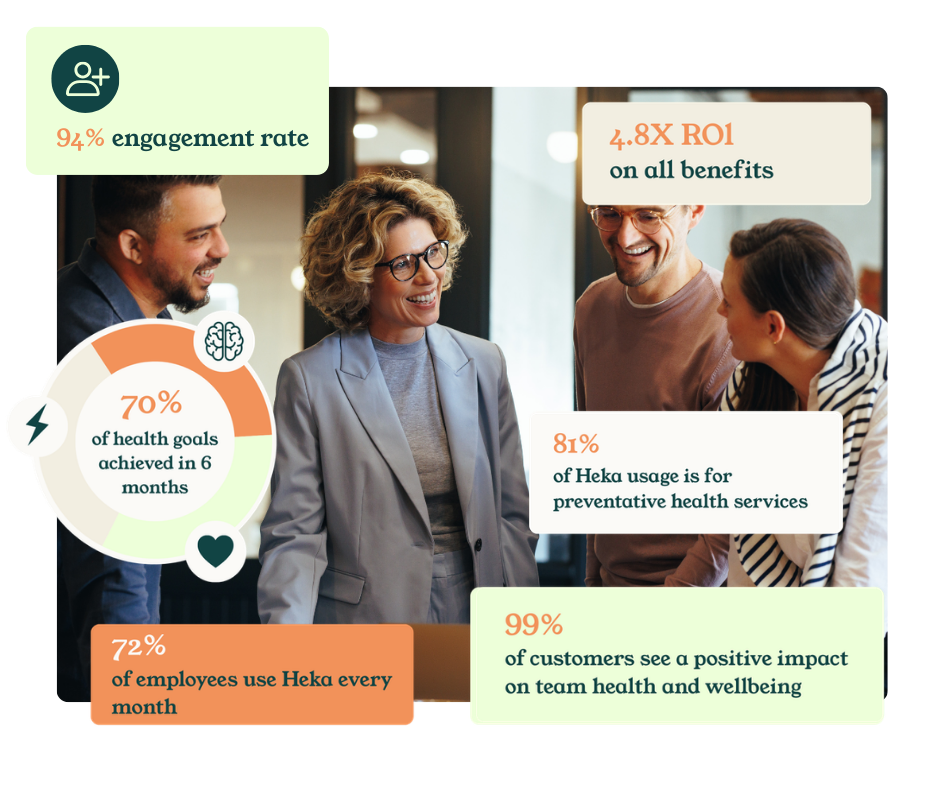






Heka vs Juno:
A quick comparison
A story we often hear from People leaders is: "our employees are frustrated. They spend £100 through our benefits platform to save £3 on their grocery shop, then discovered it only works in store." It's a small moment, but it captures the difference between employee 'perks' and employee wellbeing benefits.
Juno began as an employee discounts platform, expanding into a recognition tool for employers. It gives employees access to savings on everyday spending. Heka is an AI-powered flexible wellbeing benefits platform with clinically-curated partners across all core areas of health and wellbeing.
Heka is just as flexible as Juno. The difference is what's on offer: genuine benefits that make your emloyers healtheir and higher performing - not just another takeaway or trainers discount.
Heka helps People teams deliver meaningful wellbeing outcomes. If you're hoping a recognition and discounts platform will quietly cover wellbeing too, you'll discover the limits quickly.

At a glance:
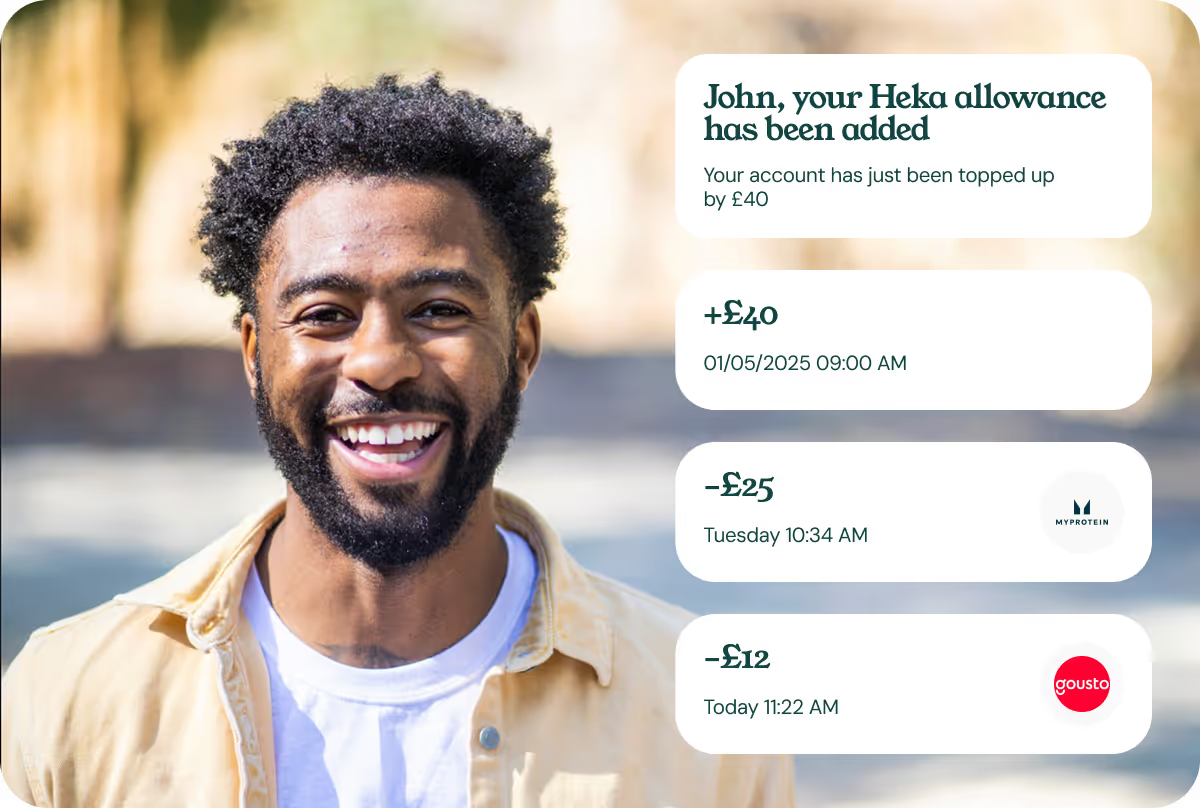
The short answer:
Heka is a clinically-curated flexible benefits platform with an AI-powered recommendation engine that helps every employee find what's relevant to them. Juno is a lifestyle perks wallet with a lighter wellbeing layer. They look similar from the outside, but perform very differently when wellbeing is something your business actually has to deliver on.
Both platforms give your team flexibility. Only one ties that flexibility to outcomes you can prove to Finance. If you want a benefits programme that earns its budget back in engagement, inclusion and outcomes through healthier employees, Heka's the stronger fit.
Why People teams choose Heka
Why People teams
choose Heka
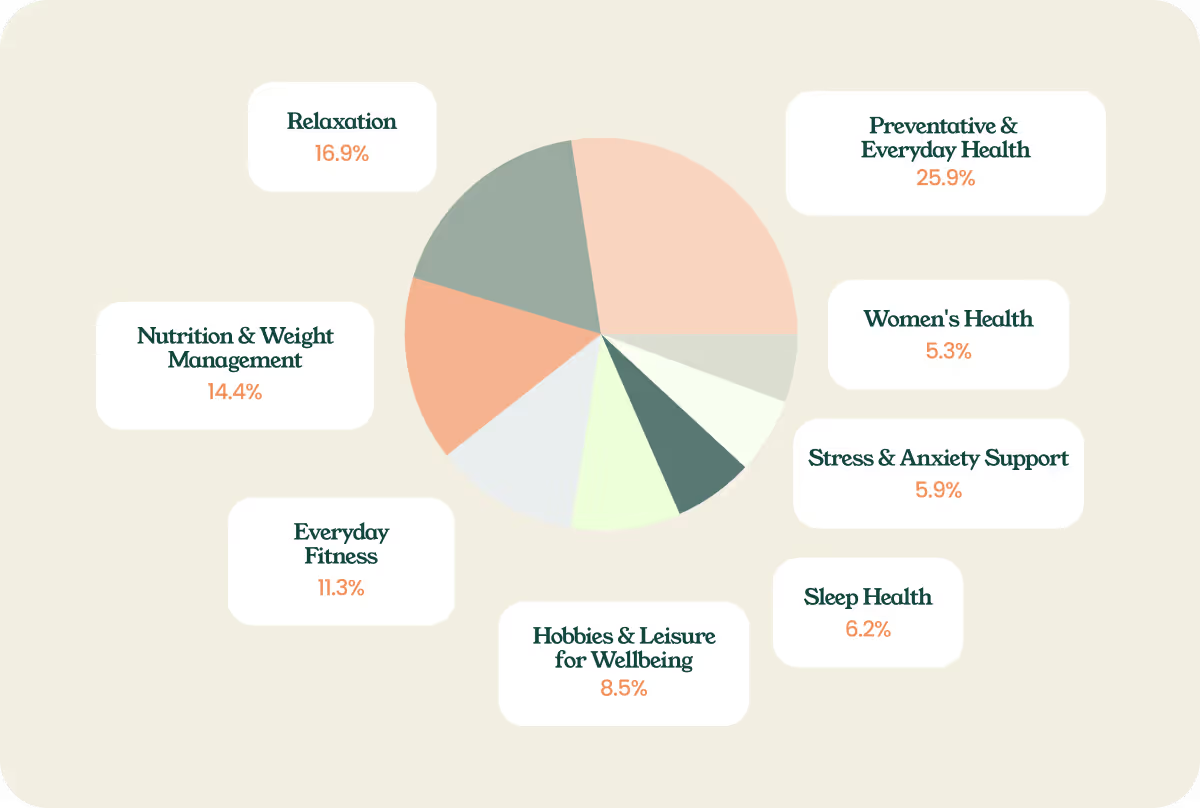
Heka's partner network is curated by our clinical and wellbeing team across preventative health, women's health, menopause, men's health, neurodiversity, mental health, fitness, family, and financial wellbeing.
Juno is a lifestyle wallet; Heka is a health-first flexible benefits platform - and that's the difference between an allowance employees scroll past and one they actually use.
Why People teams
choose Heka
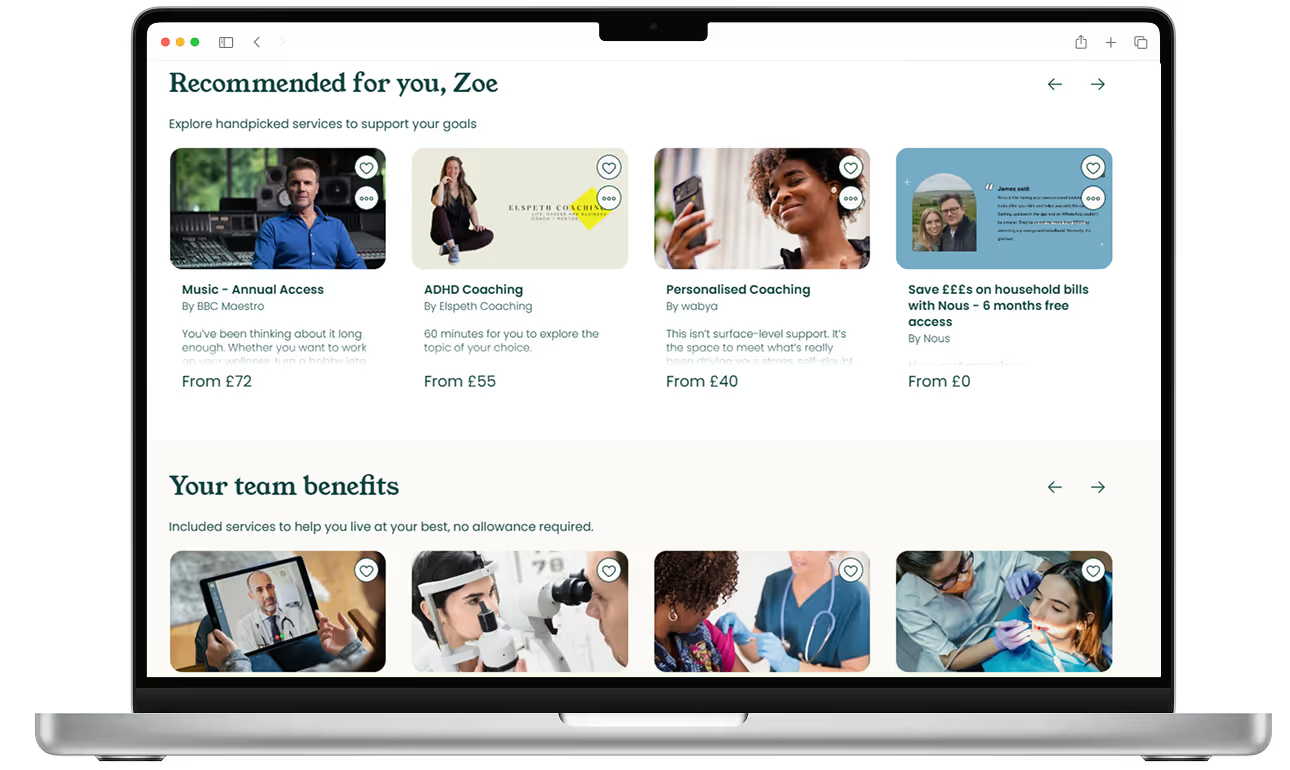
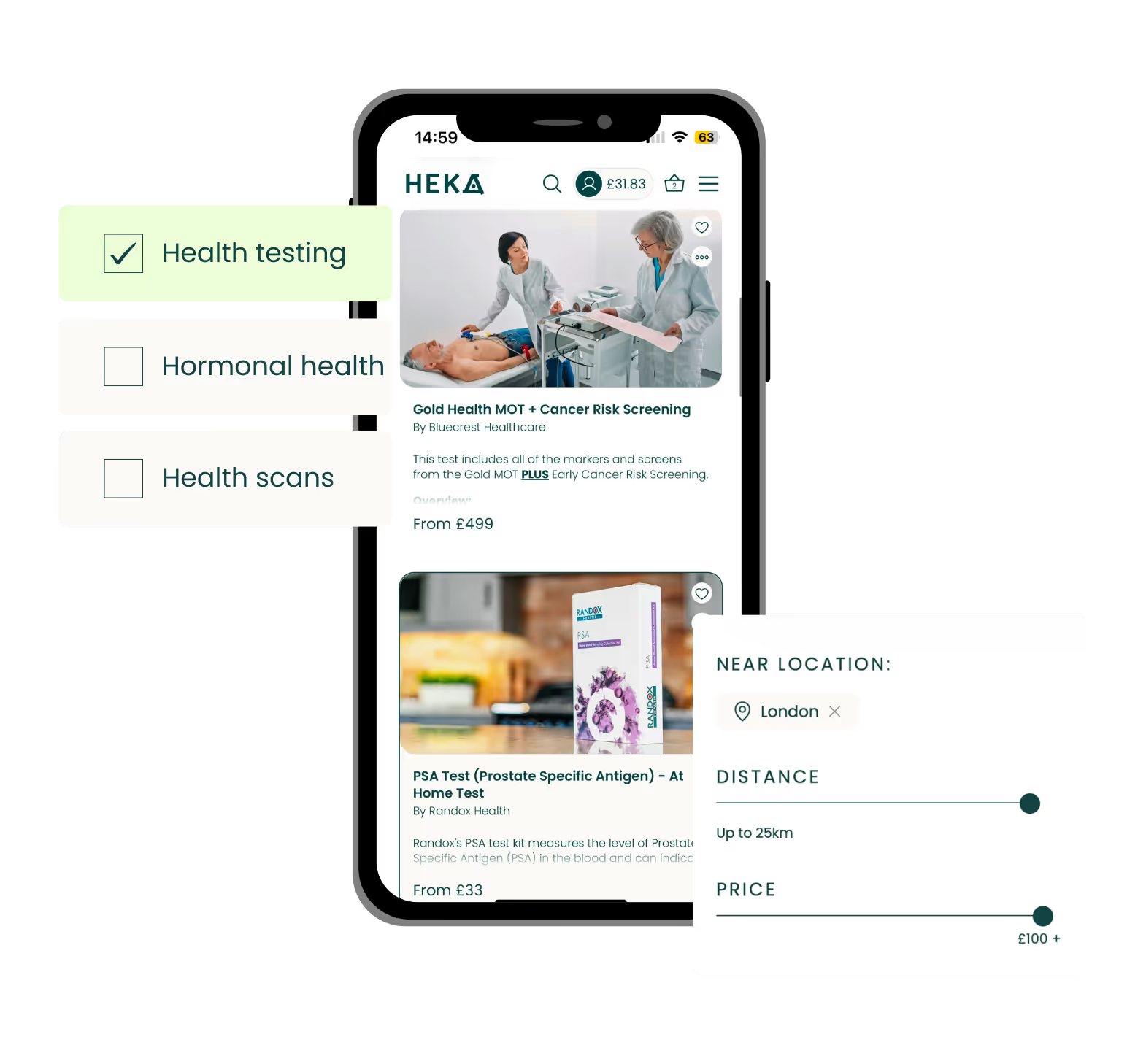
Choice on its own creates decision fatigue. Heka's AI matches each employee to the partners and content most relevant to them, so women going through menopause, neurodivergent employees, new parents, and people managing a long-term condition all get a relevant first impression. That's a level of personalisation Juno simply doesn't offer.
Why People teams
choose Heka
Women's health, men's health, neurodiversity, and carer support are first-class categories at Heka, not afterthoughts.
When you're presenting benefits to a diverse executive team, that depth shows up immediately.
Why People teams
choose Heka
Heka reports against wellbeing themes (menopause engagement, neurodiversity uptake, men's health, mental health), so you can show what the budget's actually doing for people, not just where it went.
Juno's reporting tells you what got spent; Heka's tells you what changed.
.png)
Why People teams
choose Heka
A People partner, not just a platform. Every Heka customer has access to real-time reporting, and a dedicated Customer Success team who'll dig into the data with you to demonstrate trends and better understand your team's needs.

How Heka and
Juno actually compare
Here's how Heka and Juno actually stack up on the criteria HR and People leaders ask about most. Both platforms work on the same principle of a license fee plus the monthly allowance you choose to give your team, and both promise flexibility, so on the surface they can look pretty similar.
The real differences show up underneath that allowance: how the partner network is curated, how personalisation actually works, whether the platform supports inclusion across life stages, and whether the reporting tells you anything worth taking to your Board.
Shakira Beach | people director
the goat agency, a wpp company
How Heka and
Juno actually compare
Here's how Heka and Juno actually stack up on the criteria HR and People leaders ask about most. Both platforms work on the same principle of a license fee plus the monthly allowance you choose to give your team, and both promise flexibility, so on the surface they can look pretty similar.
The real differences show up underneath that allowance: how the partner network is curated, how personalisation actually works, whether the platform supports inclusion across life stages, and whether the reporting tells you anything worth taking to the Board.
Shakira Beach | people director
the goat agency, a wpp company
Questions buyers ask us
Is Heka more expensive than Juno?
Both Heka and Juno work on the same principle: a license fee plus the monthly allowance you choose to give your team. So how much you spend on either platform is largely up to you. The license fees are broadly comparable, which means the real cost difference comes down to the allowance you set.
How long does it take to switch?
We can go live as soon as the next working day, but most teams are live on Heka within four to six weeks. That includes comms, partner setup, and employee onboarding. We run the project alongside your People team rather than handing you a checklist.
Does Heka work for global teams?
Heka's strongest in the UK with a growing international partner network. If global coverage is your priority, we'll be straight with you about where we shine and where you'd want to layer something else in.
Can we keep the the benefits our team already loves?
Yes. Your existing benefits, like PMI or EAP, can be signposted within the platform, alongside Heka's robust network of UK health and wellbeing partners. We'll flag any exisiting benefits that sit outside of Heka's offering in initial conversations, and work to find a solution directly with your team before onboarding.
Will employees notice the change?
Yes, in a good way. They keep flexibility and choice, and gain AI-powered personalisation, deeper health partners, expert content, and much clearer tax guidance.

