
Heka vs YuLife
YuLife and Heka both sit in the employee benefits space, but they solve different problems: YuLife makes group life insurance more engaging through gamification, while Heka is built to guide employees to meaningful wellbeing support.
Heka's approach comes with clinically-curated partners, AI-powered personalisation, and reporting that shows what your wellbeing investment is actually achieving, keeping your best people at their best.


.png)

.png)
.png)
.png)
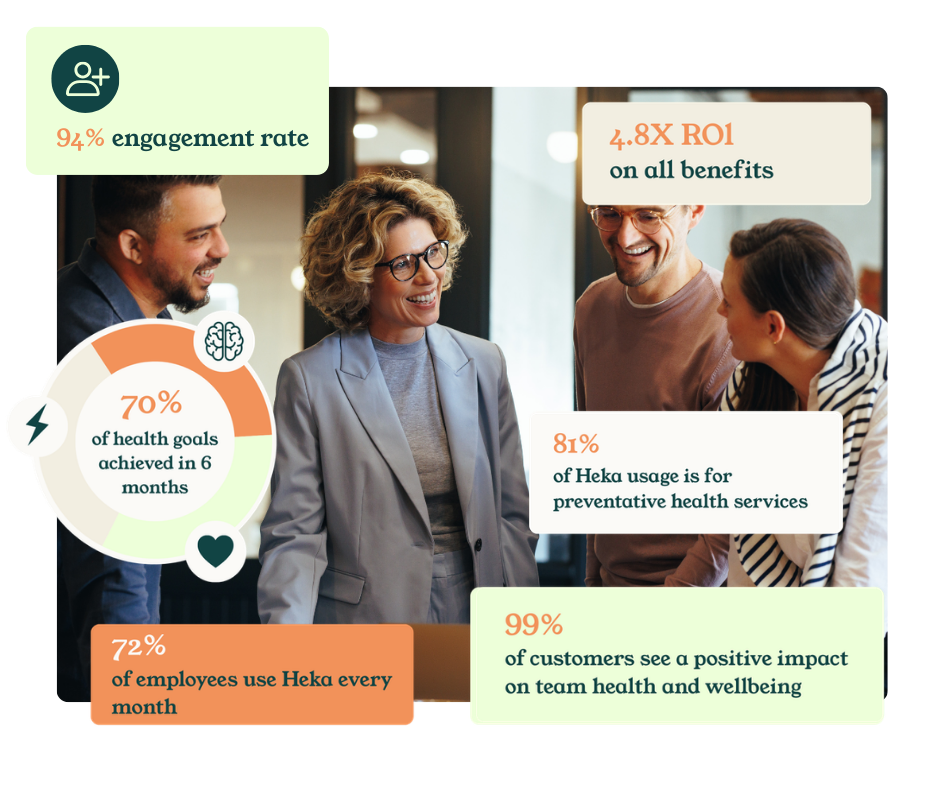






Heka vs YuLife:
A quick comparison
YuLife combines group life insurance with a wellbeing app that rewards healthy habits like walking and mindfulness. It's a fresh way to encourage everyday engagement, and for many employers, that's exactly what they're looking for.
Heka is built for a different purpose. Rather than points and rewards, we help employees discover wellbeing support that's relevant to their lives, from therapy to menopause care to financial wellbeing.
If your priority is making group life insurance more engaging, YuLife is a strong option.
If you're building a broader wellbeing strategy for a diverse workforce with various needs, Heka is designed for that.

At a glance:
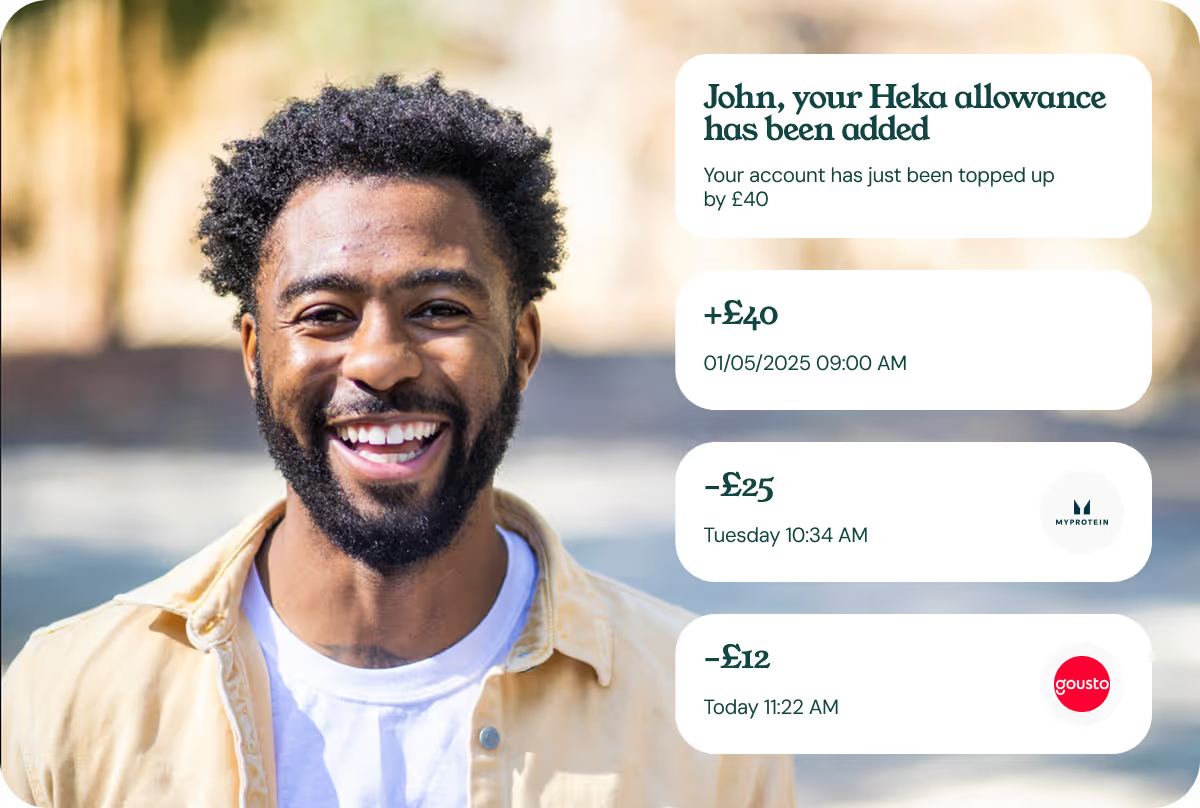
The short answer:
Heka is a clinically-curated flexible benefits platform with an AI-powered recommendation engine that helps every employee find what's relevant to them. Juno is a lifestyle perks wallet with a lighter wellbeing layer. They look similar from the outside, but perform very differently when wellbeing is something your business actually has to deliver on.
Both platforms give your team flexibility. Only one ties that flexibility to outcomes you can prove to Finance. If you want a benefits programme that earns its budget back in engagement, inclusion and outcomes through healthier employees, Heka's the stronger fit.
Why People teams
choose Heka
Building healthy habits is important, but it's only one part of wellbeing.
Heka helps employees access meaningful support across mental health, menopause, men's health, neurodiversity, family planning, financial wellbeing, fitness and much more - all from one flexible allowance.
Why People teams
choose Heka
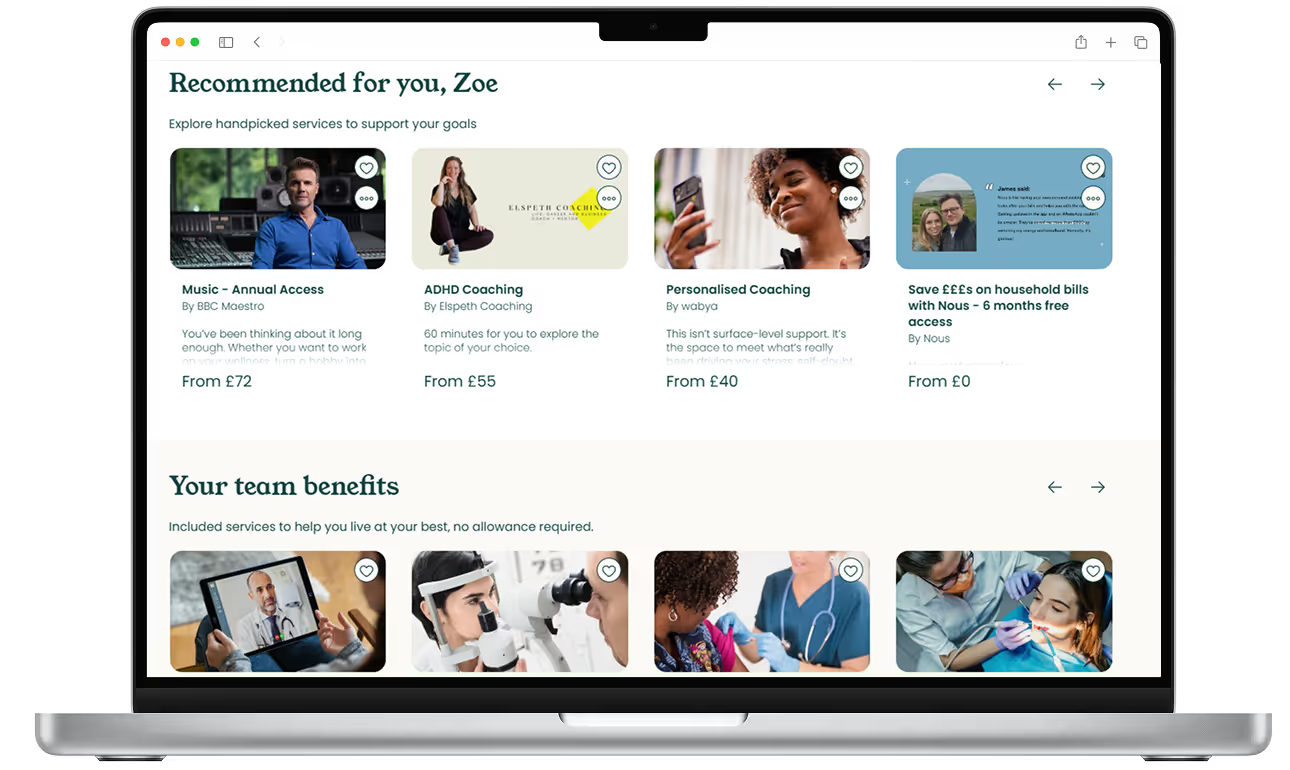
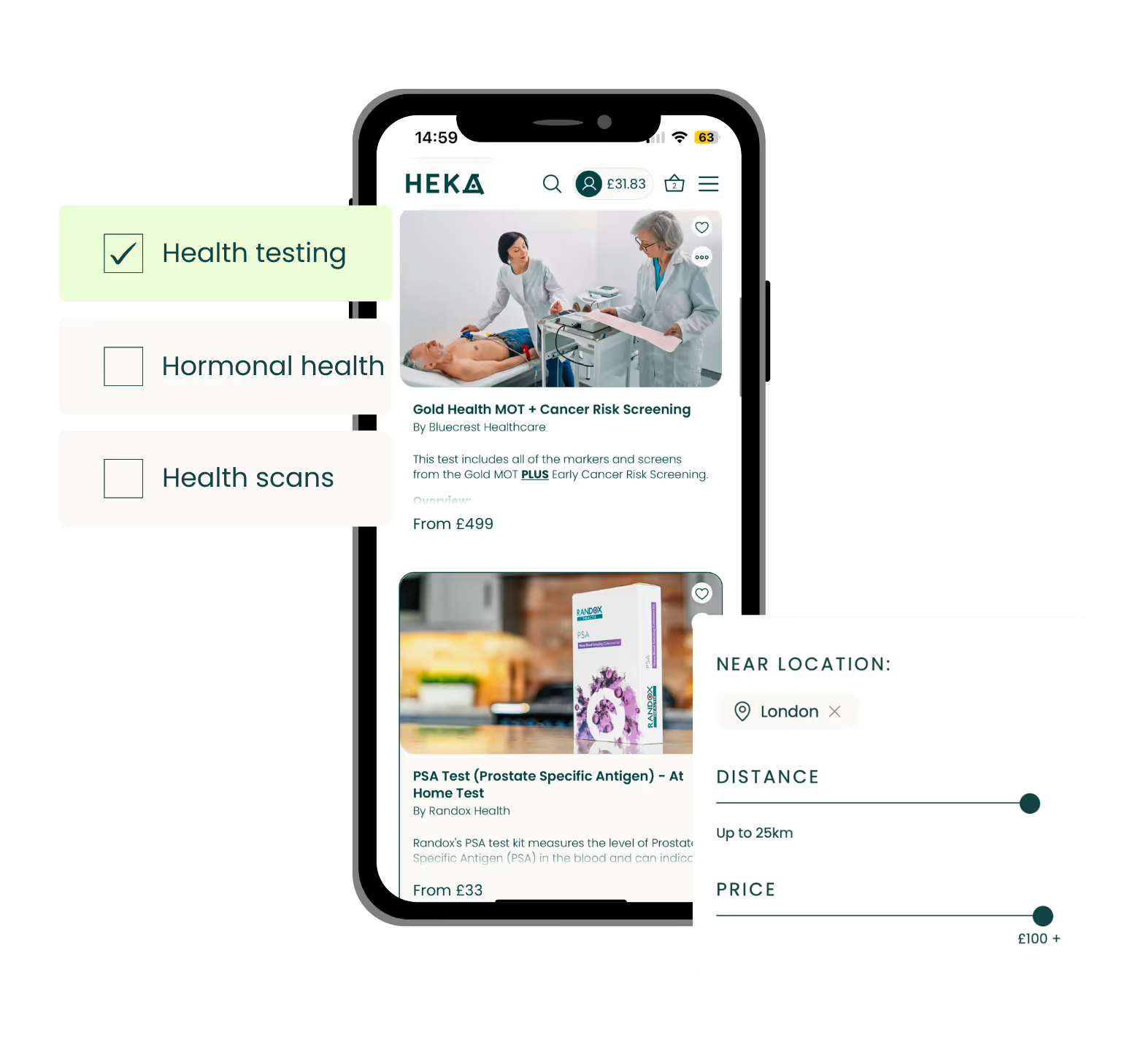
Giving employees a way to pay for wellbeing is only part of the picture. Heka helps people discover the support that's most relevant to them, with recommendations, expert content and trusted wellbeing providers all in one place.
Why People teams
choose Heka
Employees have very different wellbeing needs throughout their careers and personal lives.
From mental health and fitness to menopause, men's health, family support and financial wellbeing, Heka brings everything together in one platform that's designed to support your whole workforce, exactly where they are.
Why People teams
choose Heka
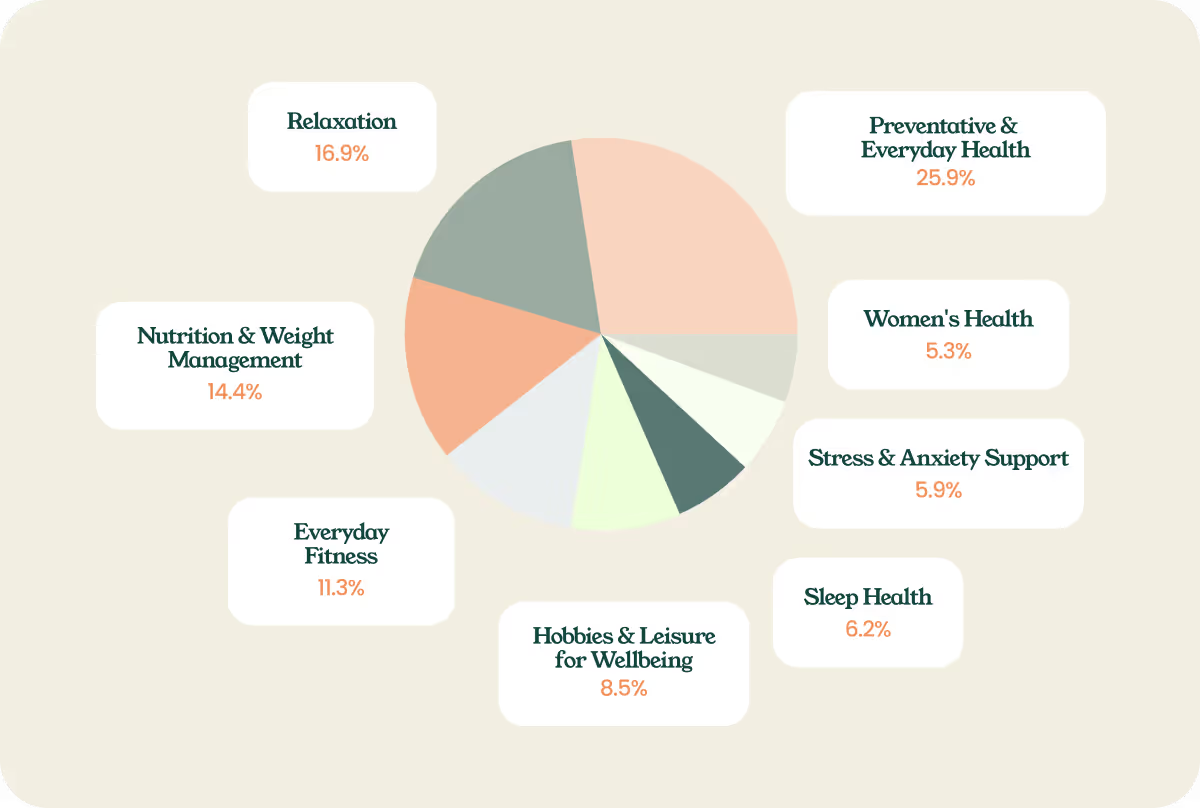
It's useful to know how much allowance has been spent - it's even more useful to know which wellbeing areas employees are engaging with and where further support may be needed.
Heka gives People teams a much clearer picture of how their wellbeing strategy is performing.
.png)
Why People teams
choose Heka
Heka isn't trying to replace your insurance provider. We focus on helping employees access great health and wellbeing support, while giving People teams the tools and insight to build a benefits strategy that delivers long-term value.

How Heka
and YuLife actually
compare
YuLife combines group life insurance with a gamified wellbeing app designed to encourage healthy habits. Heka is a flexible wellbeing platform that helps employees discover, access, and engage with meaningful wellbeing support across every life stage.
Shakira Beach | people director
the goat agency, a wpp company
How Heka
and Ben compare
Both Heka and Epassi give employees access to employer-funded wellbeing support. That's where the similarity largely ends. Epassi is primarily a wellbeing payments platform; Heka is a health led employee wellbeing platform designed to improve health outcomes. Here's how they actually compare:
Shakira Beach | people director
the goat agency, a wpp company
Questions buyers ask us
Can Heka replace YuLife?
Not directly, no. YuLife's a group risk product; Heka isn't. If you have group life or income protection through YuLife, you'd keep that and bring Heka in for your flexible wellbeing allowance.
Will employees prefer choice or a single gamified app?
Most prefer choice once they've got the allowance to spend. The teams that pick Heka tend to value inclusion and depth; the teams that lean YuLife are usually optimising group risk first and wellbeing second.
Do gamified wellbeing apps actually drive outcomes?
They drive engagement metrics, which isn't the same thing. We've seen gamification work well for some populations, but quietly miss the people who need support most. We'll talk you through where it works and where it doesn't, even if you decide to keep it.
How quickly can we launch Heka?
Most teams are live in four to six weeks. We coordinate with your existing providers so the employee experience feels considered, not bolted together.

